

HELP US RESTORE AN IMPORTANT LANDMARK IN PENDLETON’S AFRICAN AMERICAN HISTORY.
WHAT IS KEESE BARN?
Completed between 1900-1910, the original Keese Barn structure began as a general store selling canned goods, soda, and confections. Benjamin Horace Keese, a Pendleton native, had returned to his hometown after an eight-year stint in Philadelphia, and he was ready to transform the site into a hub for the town’s African American population. Drawing from his experience in the furniture and antiques trade, Mr. Keese added a public restaurant, antique store, auction house, and residence onto the general store.
This building ultimately became the first public gathering place for Pendleton’s Black residents, known as “The Hundreds,” as people would gather there by the hundreds to socialize and eat together. The complete structure is what local folks remember as the “Old Keese Barn.”
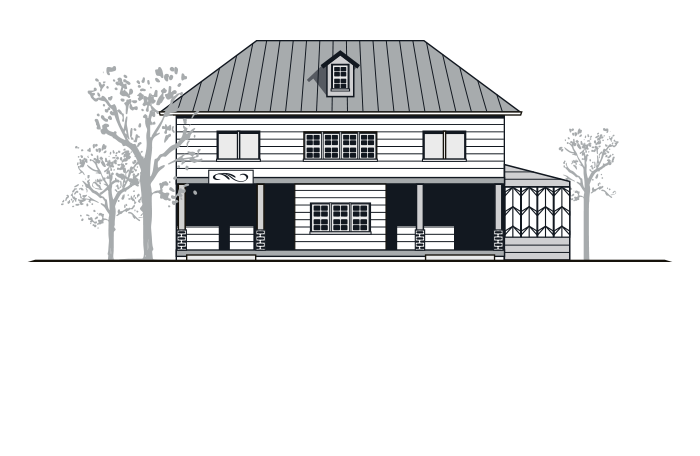
After Mr. Keese died in 1975, the structure fell into disrepair, and in 2003, Clemson University architecture students dismantled the barn and created a memorial on the same site. The Keese Barn Legacy Project represents our dream of restoring the structure: building a façade on the site that mirrors the “Old Keese Barn” and sharing its history with a new generation. Together, we can replace a missing piece of Pendleton’s heritage.
BENJAMIN KEESE
Mr. Benjamin Horace Keese, a Black businessman of Pendleton, wanted to provide a safe place for African Americans to find fellowship and enjoy a meal. Therefore, Mr. Keese built a cafe called "The Hundreds" that served as the first eat-in restaurant and community gathering place for African Americans in Pendleton in the early 20th century. Later, the barn was expanded to two stories and included Keese's Antiques.
HERITAGE PARK PLAN: A PLACE TO GATHER AND CELEBRATE PENDLETON’S BLACK HERITAGE

FRONTWith your help, a new structure will be built on the Old Keese Barn site.
In the early 2000s, Clemson University architecture students dismantled the original, now-vacant barn structure to build a memorial in its place. This memorial commemorated Mr. Keese’s achievements and significance to the community. Now, the new project will help people visualize the barn and provide a new place to gather and learn.
THE FACADE
INTERIOR FEATURES

Concession

Storage
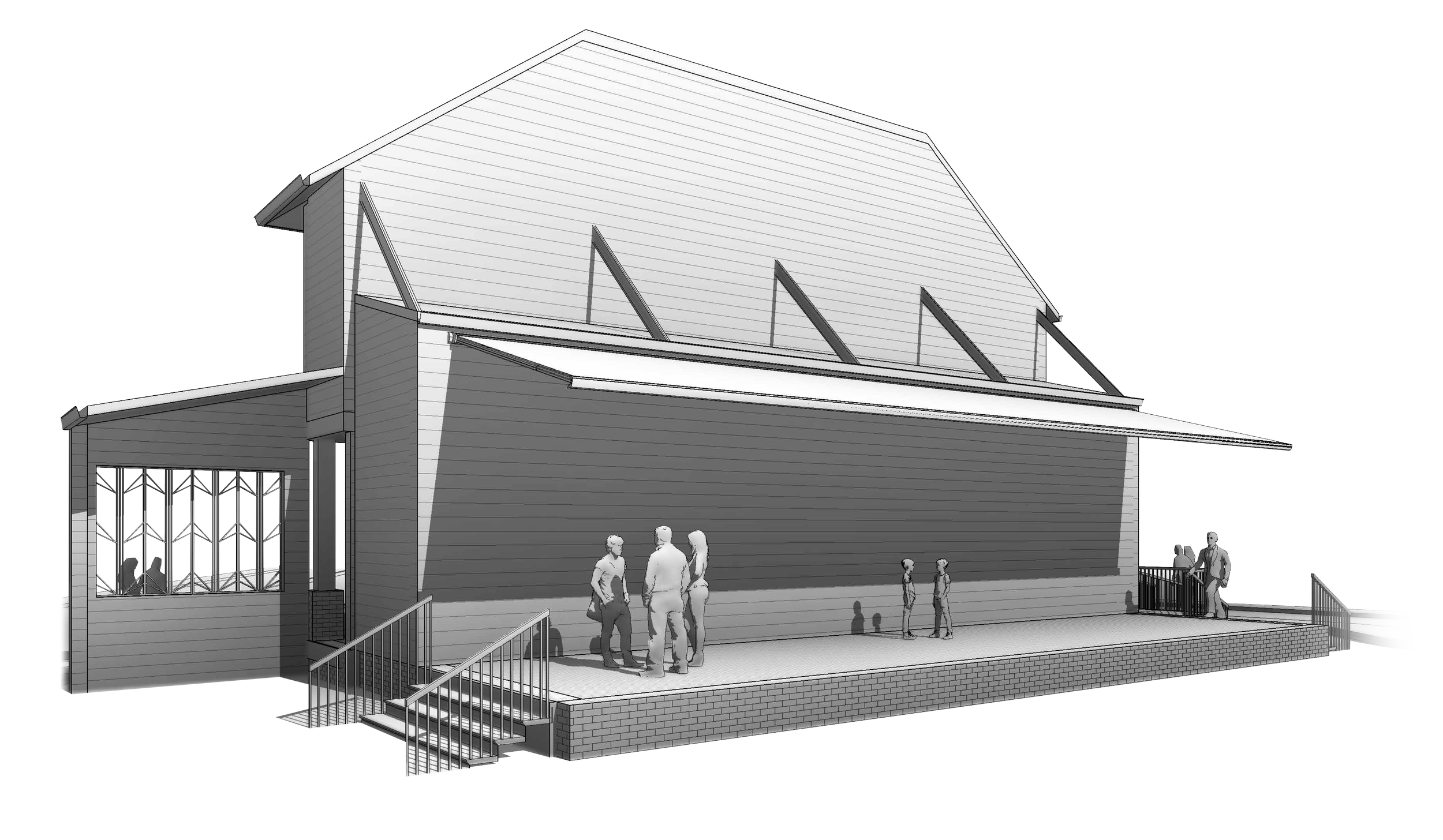
BACK
The back of the Keese Barn facade will be an open-air gathering place, perfect for picnics, festivals, concerts, and meetings. Just as the original Keese Barn was a place for fellowship and friendship, the new facade will provide all Pendleton’s residents with a home for gathering, community, and growth.
LOCATION:
123 W. Queen St. Pendleton, SC 29670
WITH YOUR HELP, WE CAN MAKE THIS HAPPEN!

GALLERY & ARTICLES
Click image to enlarge.